
Inside Flexform: The Anatomy of a Sofa
Every Flexform sofa begins in the same building in Meda, the Brianza town where the Galimberti family has been making furniture since 1959. This year, as the Groundpiece — Antonio Citterio's iconic sofa — turns twenty-five, we look at what sits beneath the upholstery: the frames, the certified goose down, and the provisions that let a sofa stay in a home for decades.
The Object Itself: Groundpiece
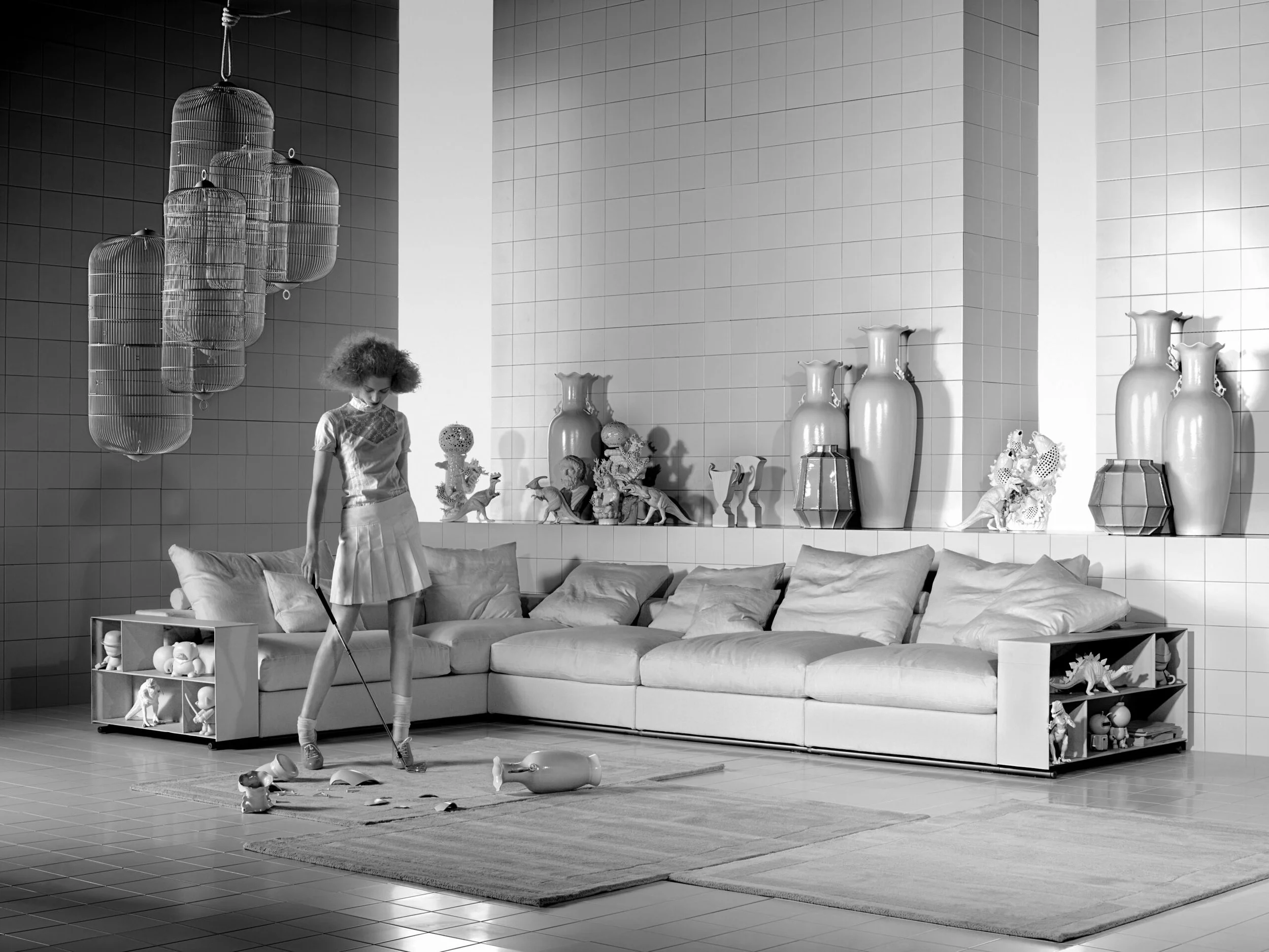
Photograph: Groundpiece 2008, Maria Vittoria Backhaus
There is a category of furniture that simply possesses its quality. Flexform has spent more than six decades making sofas that give away almost nothing at first glance — no visible signature, no hardware flourish. Instead, their character comes from things you rarely see: a metal frame, carefully engineered cushioning, certified goose down, and a design philosophy that has changed remarkably little since 1959.
This year, that philosophy has an anniversary worth marking. Groundpiece, Antonio Citterio's radical rethinking of the modern sofa, turns twenty-five. It remains Flexform's best-seller and a way to answer a question that comes up whenever someone spends time with the collection: what, exactly, makes one sofa feel different from another?
One Town, One Factory, One Family
The answer begins in Meda, a town in Brianza, the furniture-making district north of Milan where workshops have supplied upholstery to the region's villas for over a century. The Galimberti brothers — Romeo, Pietro, and Agostino — opened their workshop there in 1959. Their early sofas found their way into postwar Milanese apartments, villas on Lake Como, and the foyer of La Scala.
Sixty-seven years later, the company is still owned by the Galimberti family, now in its third generation, and every piece is still produced in Meda. There are no satellite factories, no licensed production, no second line manufactured elsewhere. Design, prototyping, upholstery, and manufacturing remain closely connected, making it possible to refine details over decades.
Antonio Citterio has coordinated the collections for more than forty years, maintaining a coherent language across hundreds of pieces, which is why a Flexform living room composed over twenty years still reads as a single thought.
Citterio once compared the brand's sofas to "a blue blazer in the world of fashion" — refined and indifferent to seasons and trends.
The Anatomy of Comfort and Permanence
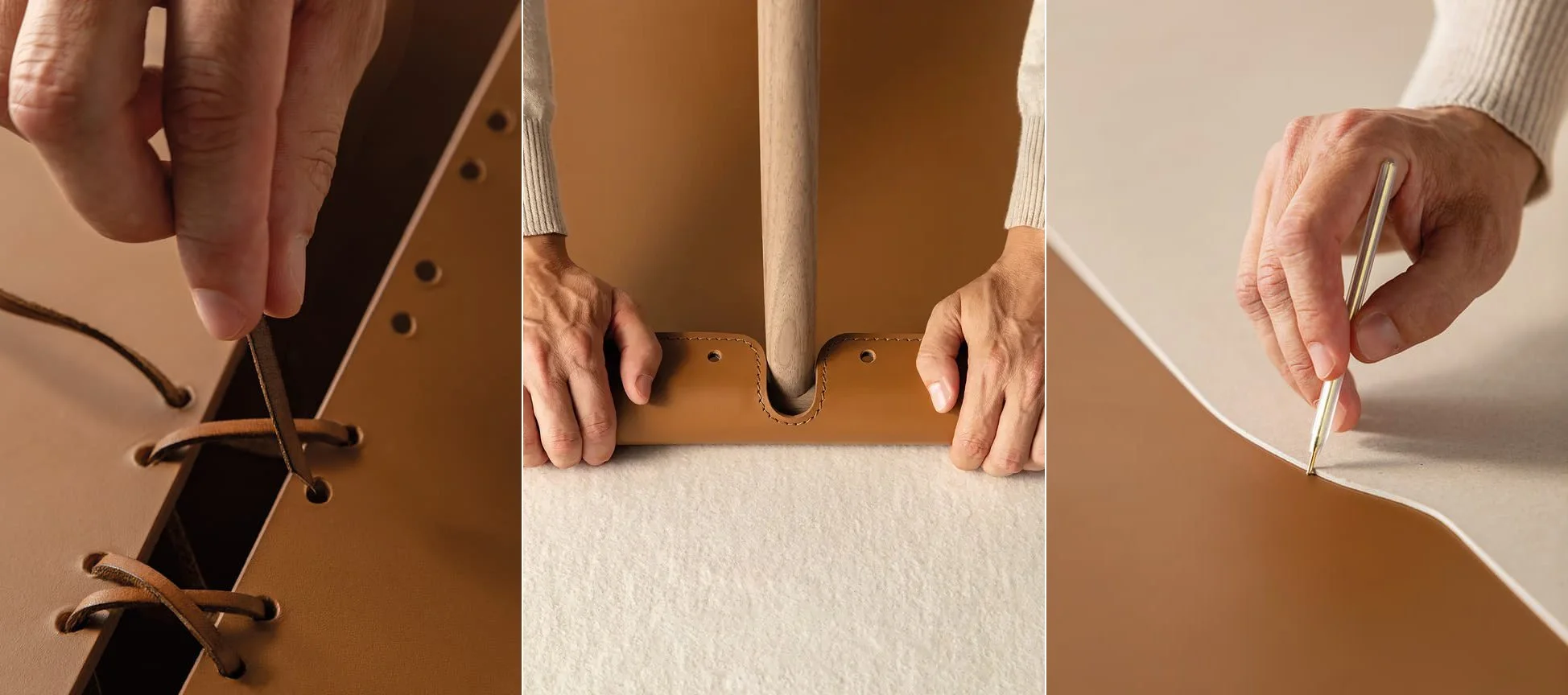
Photograph: Courtesy of Flexform
Strip the upholstery from a Flexform sofa and what remains looks less like furniture than like light infrastructure. Frames are built from metal and solid wood to maintain their structure over decades of everyday use. Around the frame, molded polyurethane foam is applied in calibrated densities — firmer where the body needs support, softer where it meets the sitter. It's an invisible detail, but it's one of the reasons a Flexform sofa feels supportive without feeling rigid.
Then there is the down. Flexform's seat and back cushions are filled with sterilized goose down certified by Assopiuma's Gold Label — the strictest standard for natural filling in Italy — wrapped around a resilient inner core. On leather-upholstered cushions, where the hide would otherwise trap air, Flexform perforates small ventilation holes arranged in the pattern of the company's logo. It is the rare instance of the brand permitting itself a signature, and it is hidden inside the sofa.
Covers, in fabric or leather, are cut and sewn with tailoring logic — piping, grosgrain details, seams placed where a garment-maker would place them — and every one is removable. A removable cover means the sofa is designed on the assumption that you will keep it long enough to want to clean it, repair it, or re-dress it entirely.
Groundpiece at Twenty-Five
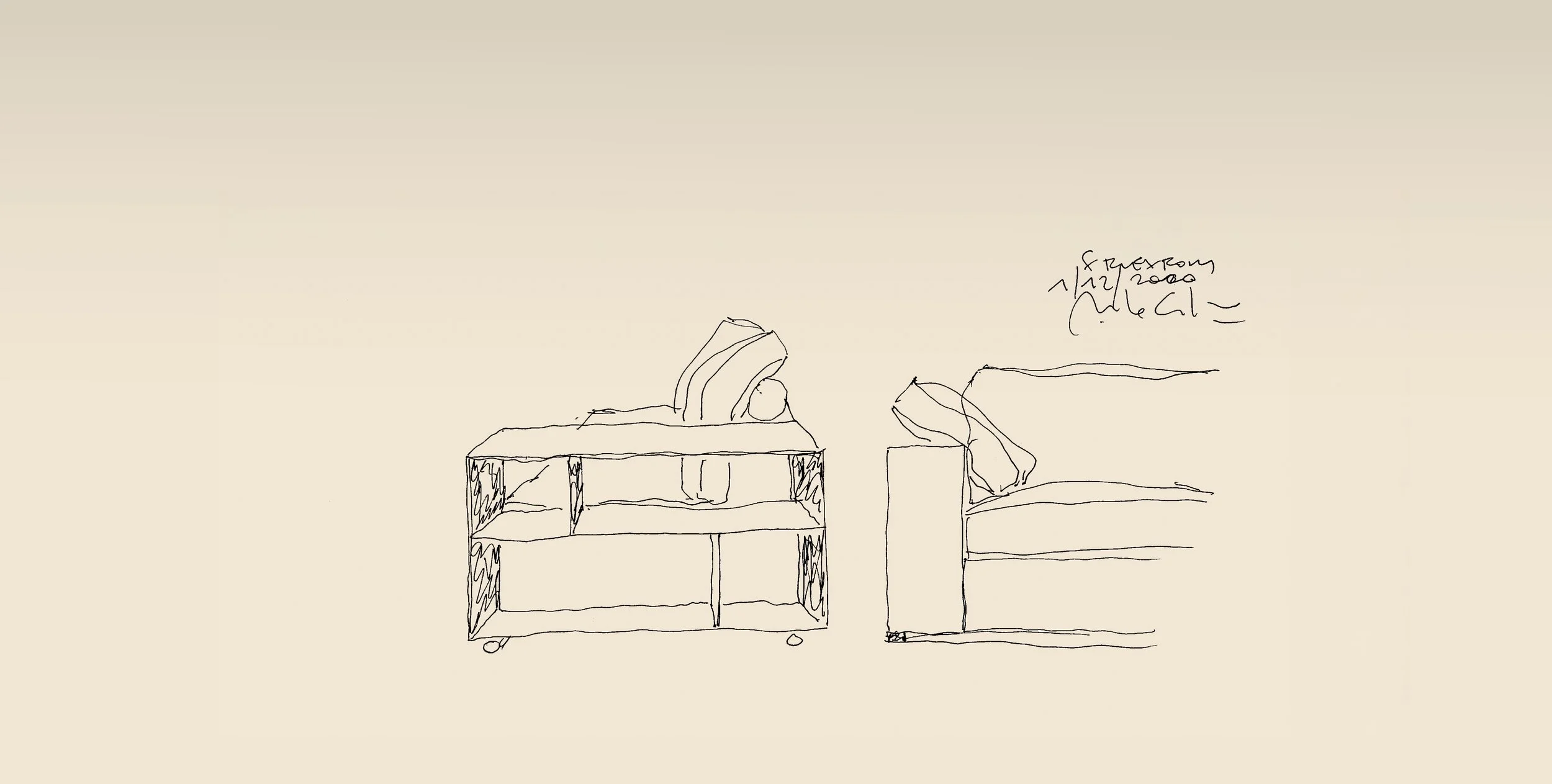
When Citterio designed Groundpiece in 2001, he doubted it. The sofa was low and deep at a time when sofas were neither. Its armrests were not armrests in any traditional sense but wide consoles — cowhide-clad metal, fitted with shelves — that functioned as side tables, bookcases, landing zones for the life that actually happens on a sofa. He has said the idea felt "too simple, too direct" to succeed.
Instead, Groundpiece anticipated how people would come to live. Reading, working, sharing meals, watching films, existing horizontally — it accommodated all of it before those habits became central to the way we think about home. Twenty-five years later, the design feels no less relevant than when it was introduced, which is perhaps the clearest definition of timelessness.
For Decades
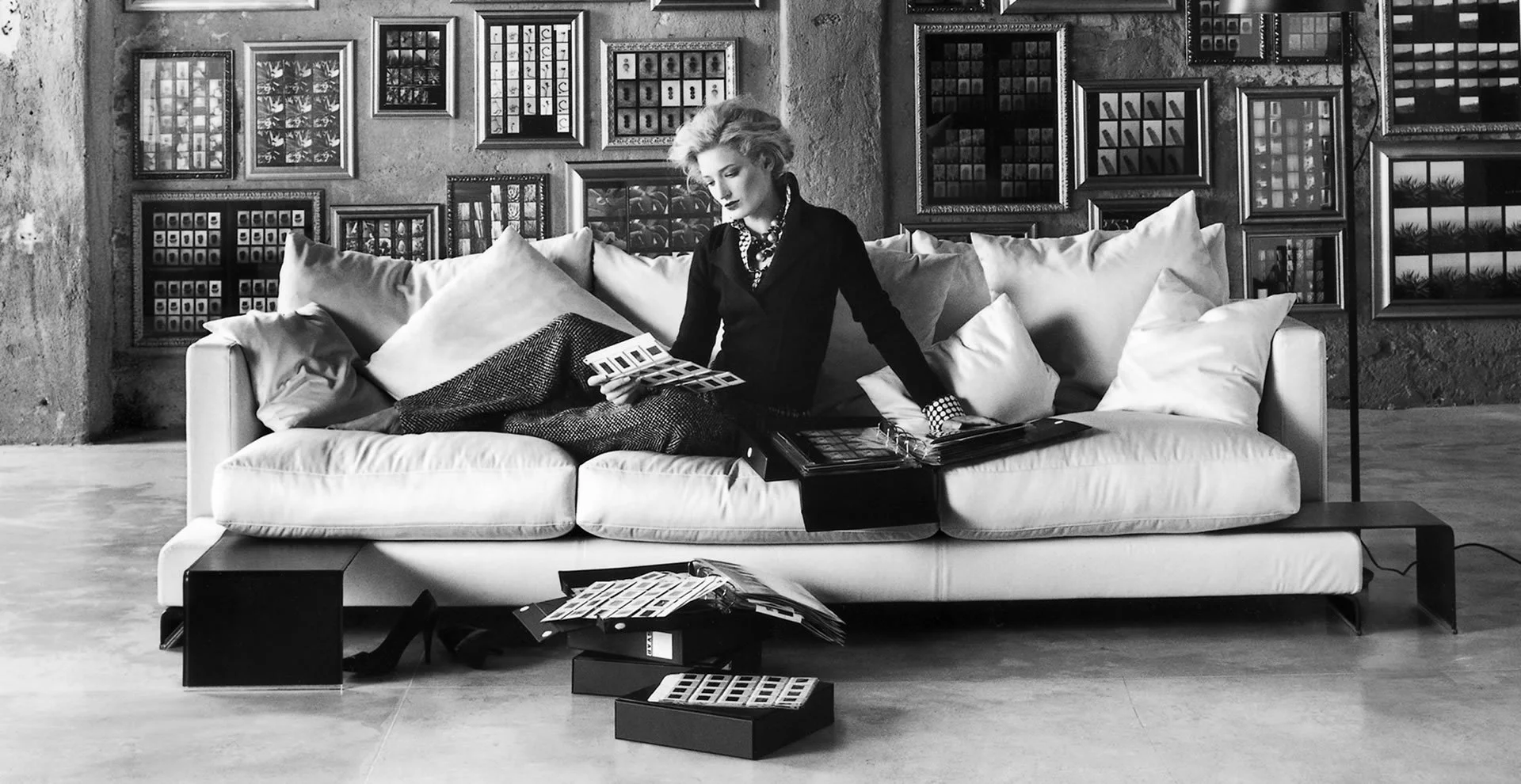
Photograph: Courtesy of Flexform
A Flexform sofa is built on the assumption of a long life in one household, and the design carries provisions for it. The covers come off — to be cleaned, to be repaired, or to be replaced entirely, so that a sofa can be re-dressed in a new fabric or leather when the interior around it changes. The modular systems go further: a Groundpiece can be extended, reduced, or reconfigured as rooms change and addresses do, the same elements recomposed rather than replaced.
The longevity is aesthetic as much as structural. Because one architect has shaped the collections for four decades, the catalogue evolves without lurching — a piece ordered this year will sit naturally beside one delivered fifteen years ago. The sofa is designed to stay, and everything about its construction assumes you will let it.
In the Showroom
Photograph: Courtesy of Flexform
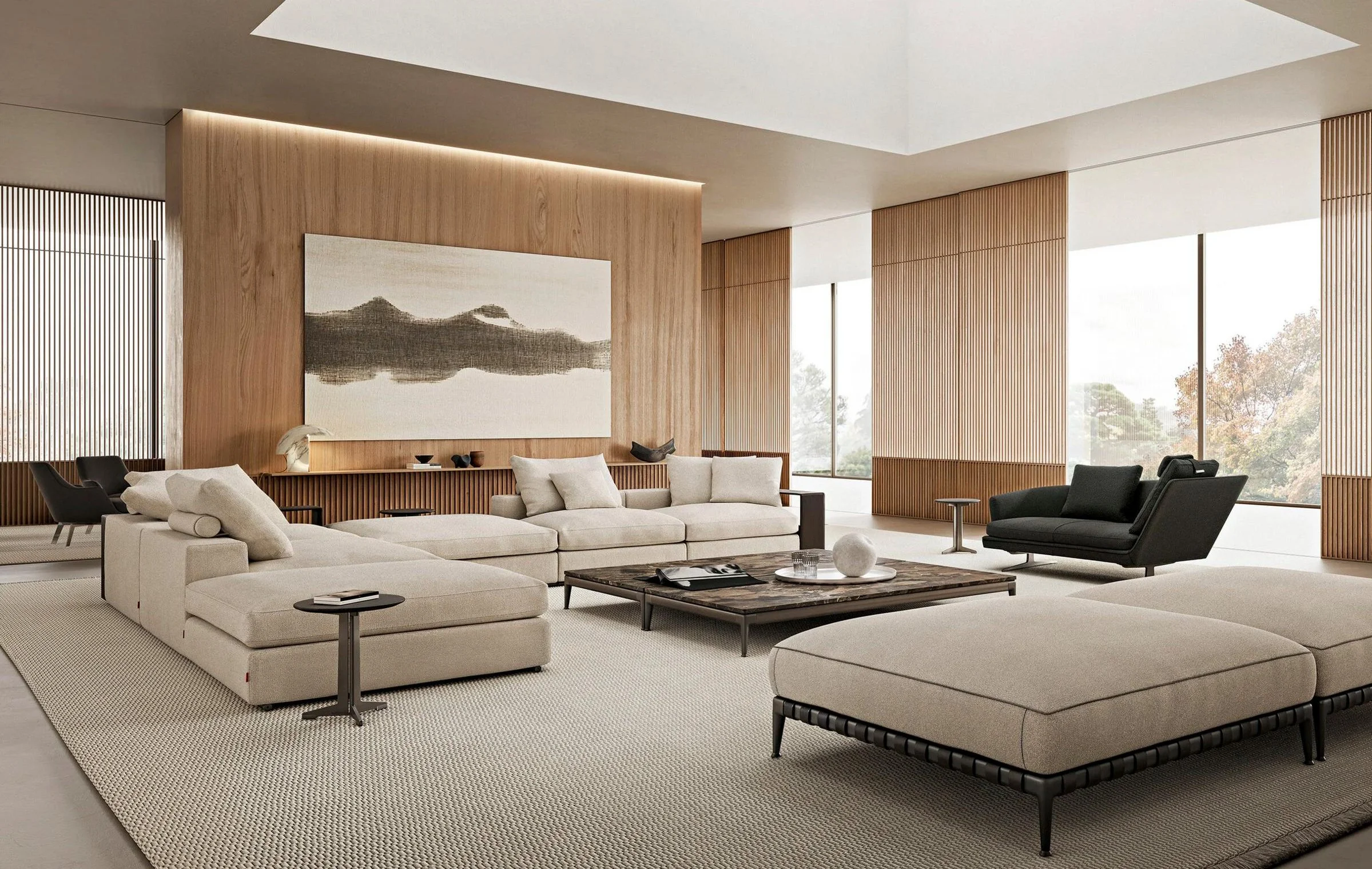
Salone is proud to represent Flexform in Las Vegas. The Groundpiece, along with pieces from across the collection, can be seen — and more importantly, sat on, at length, without hurry — in our showroom in the Arts District.
Salone, 1226 S 3rd St, Las Vegas. Visit us or explore the Flexform collection.