
5 Chairs from Museum Collections You Can Own
The first ever bean bag chair, a low woven lounge chair, an armchair made from five hundred meters of rope — chairs you can see at MoMA, the Triennale, the V&A, and museums around the world, because they changed how people thought about furniture. What often comes as a surprise is that many of those same chairs remain in production by the companies that introduced them decades ago. They're the same designs serving exactly the purpose they were created for: to be lived with.
Here are five museum pieces you can also bring home from our Las Vegas showroom.
Sacco — Zanotta, 1968
Photography: Courtesy of Zanotta
In the collections of MoMA, the V&A, the Triennale, and the Musée des Arts Décoratifs.
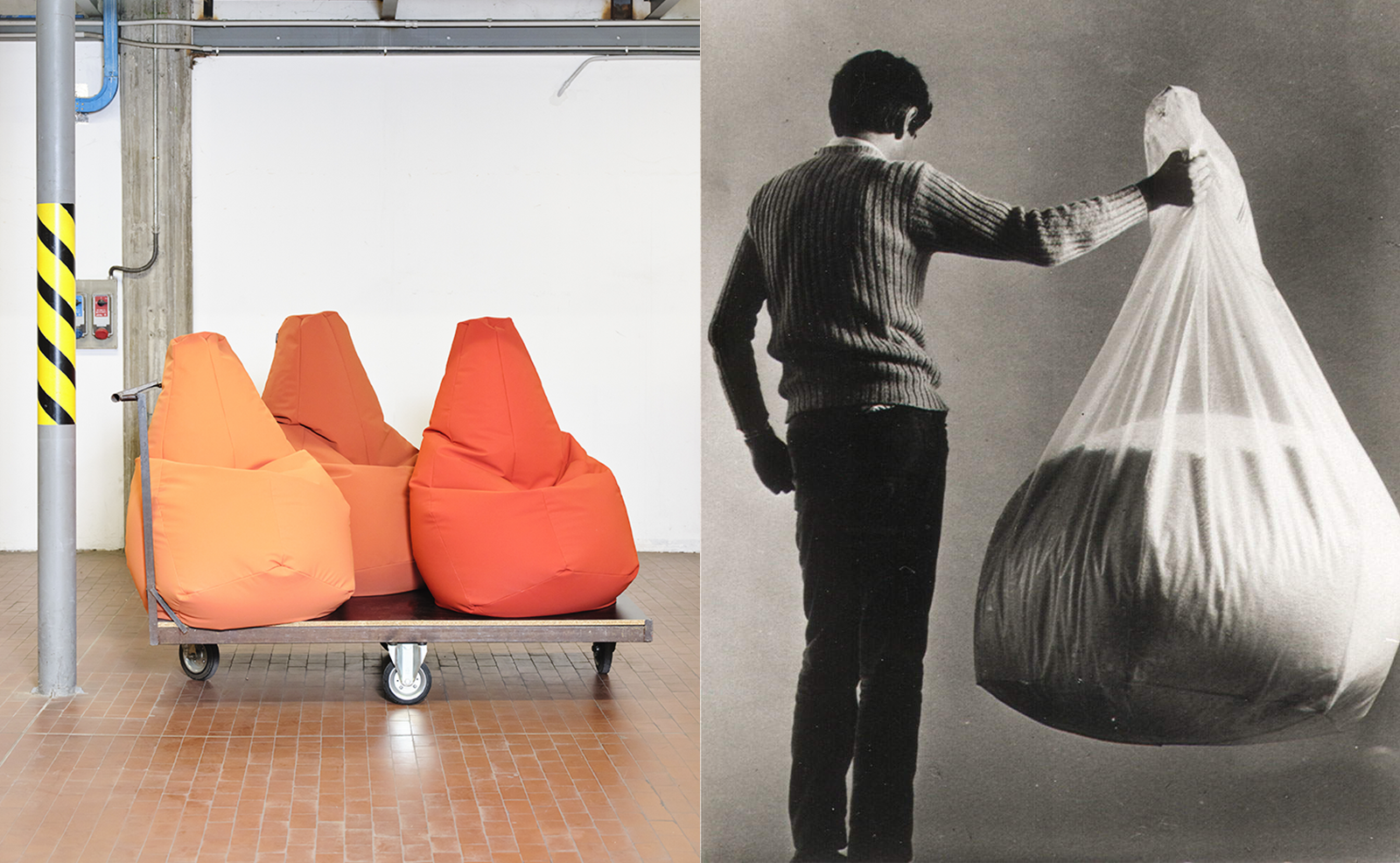
The world's first bean bag chair was born when three young Turin designers — Piero Gatti, Cesare Paolini, Franco Teodoro — proposed a chair with no frame, no legs, no fixed form at all: a sack of tiny polystyrene spheres that would take the shape of whoever sat in it, and take a new shape for the next person. Zanotta said yes to the radical Italian design when no one else would, and fifty-seven years on, still makes it, in leather, fabric and a range of sizes.
S-Chair — Cappellini, 1991
Photography: Courtesy of Cappellini
In the collections of MoMA and the Triennale, Milan.
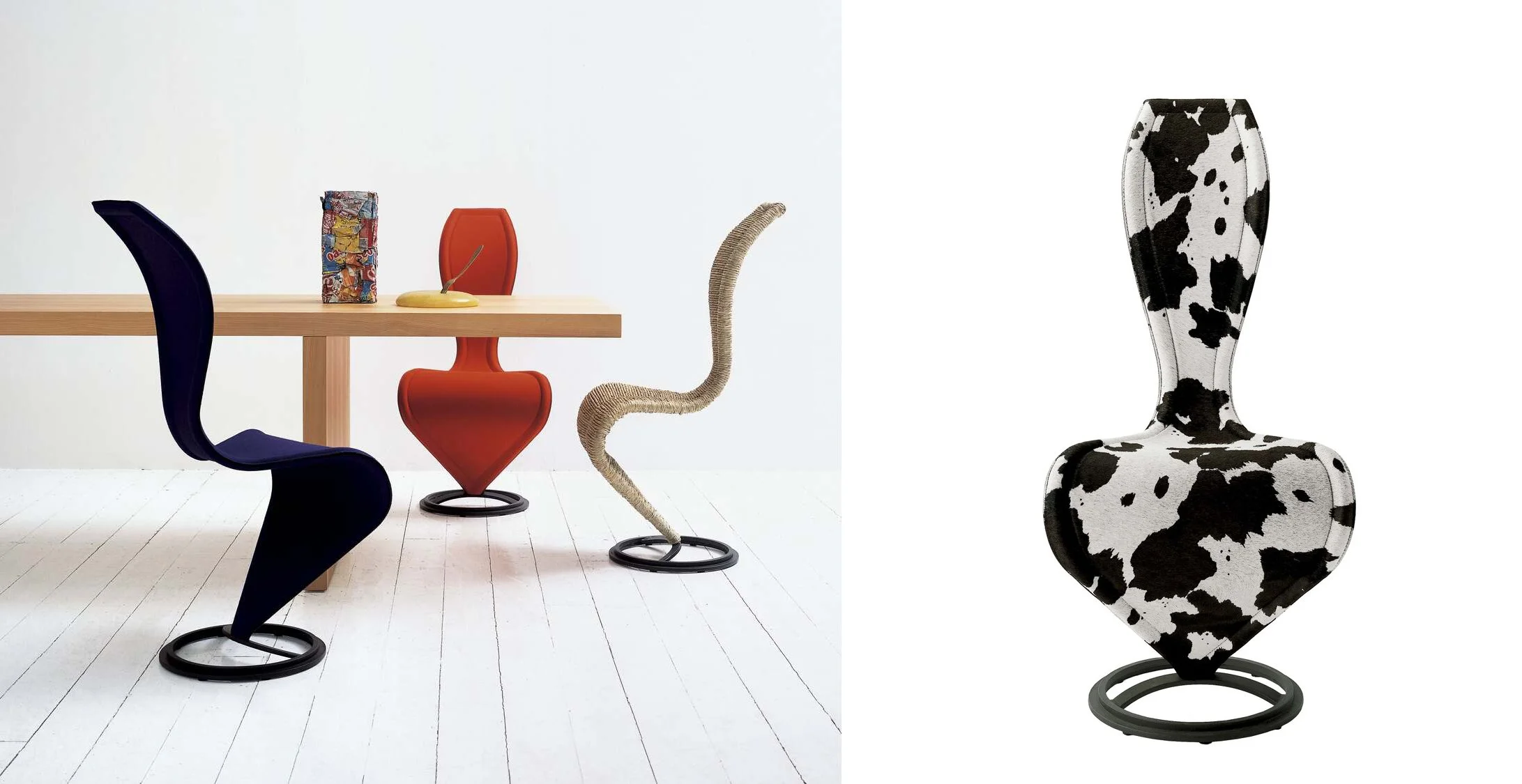
Tom Dixon was a welder and a bass player before he was a designer, and the S-Chair carries both histories: a single sinuous line of steel, dressed in marsh straw woven entirely by hand — more than six hours of weaving per chair. Giulio Cappellini saw the prototype and understood before almost anyone what Dixon would become. The chair went into production in 1991 and into MoMA not long after.
Vermelha — Edra, 1993
Photography: Courtesy of Edra
In the collections of MoMA and the Metropolitan Museum of Art.
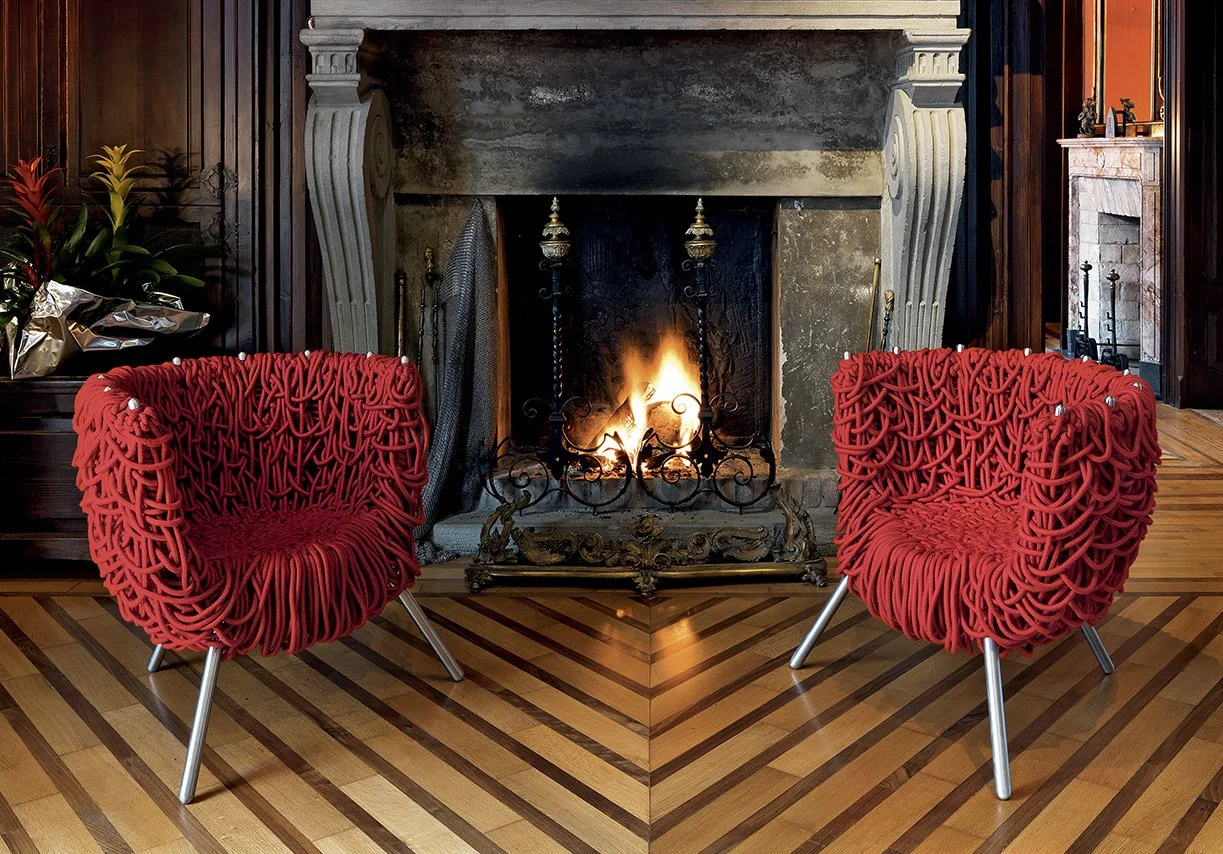
Fernando and Humberto Campana bought a bundle of red cord at a São Paulo street market and saw a chair inside it. Five hundred meters of rope, woven entirely by hand over a steel and aluminum frame — one artisan, roughly a week of work, no two chairs ever quite alike. In 1998 the brothers became the first Brazilian designers ever exhibited at MoMA, and Vermelha entered the permanent collection soon after. Edra still weaves each one by hand, in the colors the brothers approved.
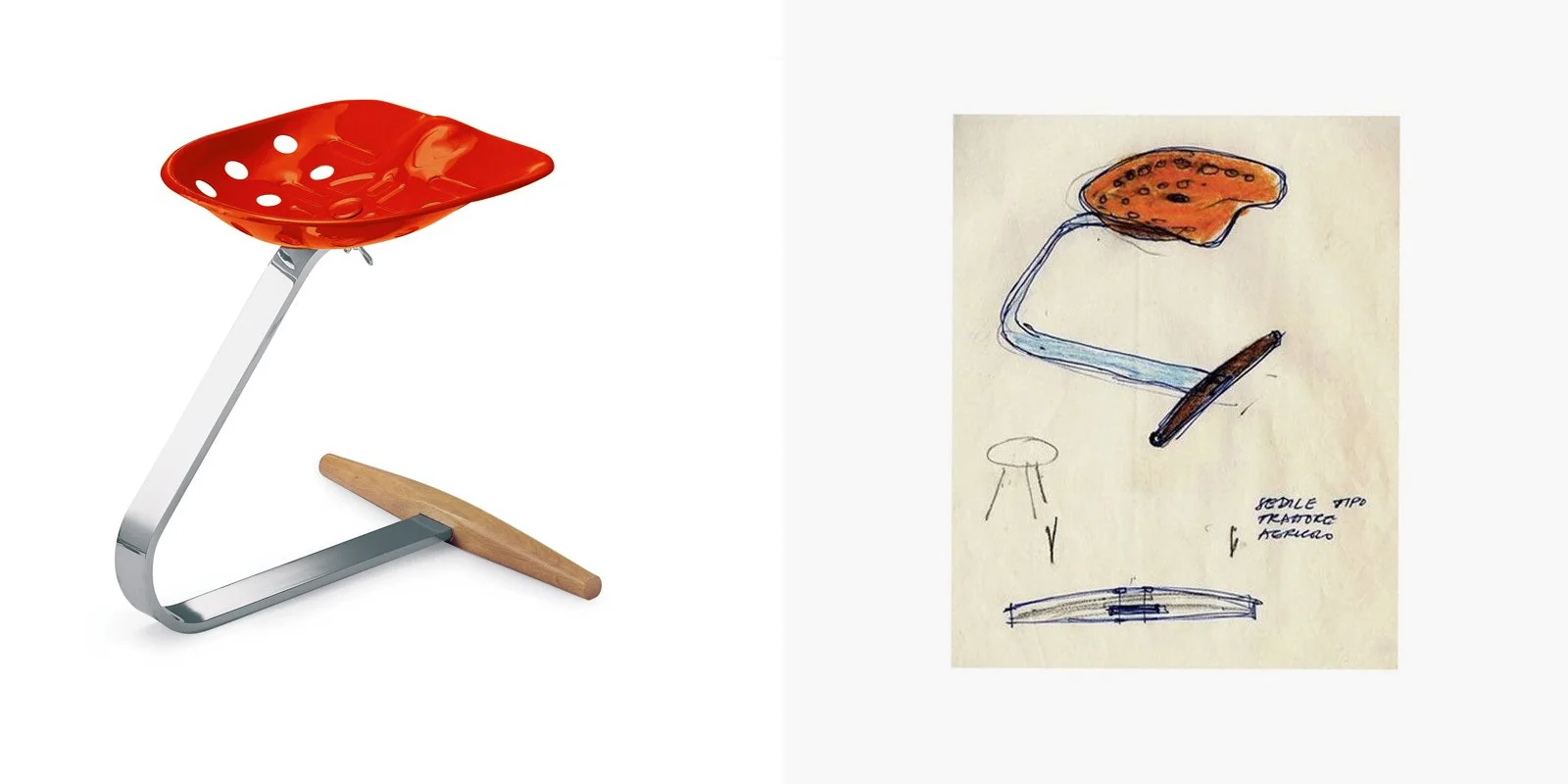
Mezzadro — Zanotta, 1957
Photography: Courtesy of Zanotta
In the collections of MoMA, the Vitra Design Museum, and Die Neue Sammlung, Munich.
Achille and Pier Giacomo Castiglioni looked at the stamped-steel seat of a tractor — a form perfected by decades of fieldwork, shaped to the human body by necessity — and set it on a springy chromed stem with a beechwood footrest. They changed almost nothing. That was the nerve of it. The design was an act of seeing, and it was so far ahead of its time that thirteen years passed before Zanotta put it into production. It works where a full chair would be too much: an entryway, a studio, the end of a kitchen island.
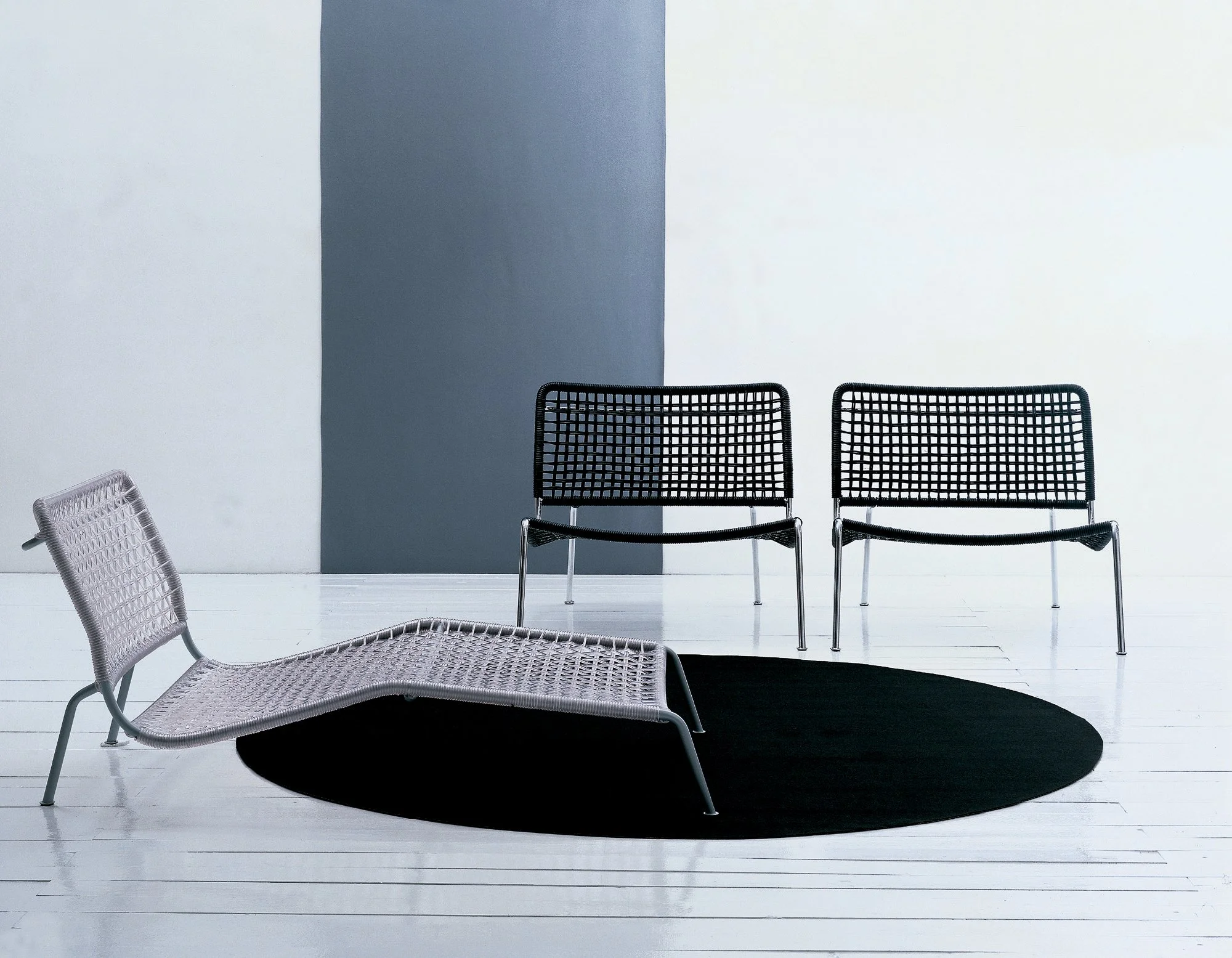
Frog — Living Divani, 1995
Photography: Courtesy of Living Divani
In the permanent collection of the Museo del Design Italiano, Triennale Milano.
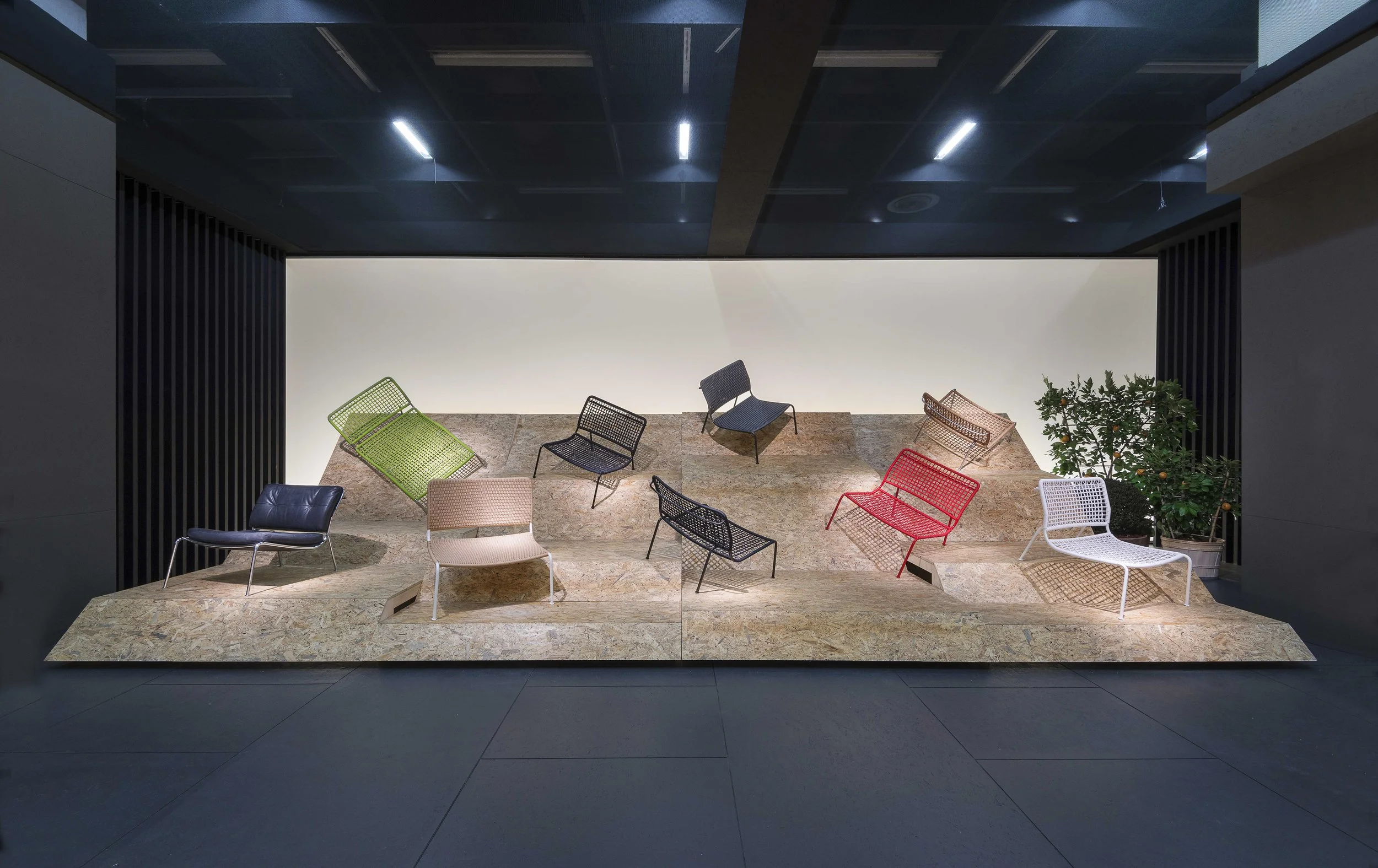
The newest arrival to the canon — selected for the Triennale's permanent collection of Italian design, the official register of the objects that matter. Piero Lissoni designed Frog in 1995: a low, wide, gloriously unhurried lounge chair, its frame carrying a taut weave of cord or leather, its posture closer to a resting animal than a piece of furniture. It has spent thirty years looking effortless, and Living Divani builds it today in more versions than ever: woven or padded, cord or leather, indoor and out.